Table Of Content
- Step four: Organizational model
- The organisation’s strategy, goals or purpose changes
- Climate Change and Sustainability
- DOWNLOAD THE HR & ORG STRATEGY PRESENTATION TEMPLATE
- Distribute decision rights
- Identify the necessary mind-set shifts—and change those mind-sets
- Why Culture/Market Fit Is More Important than Product/Market Fit

As the final column shows, a conscientious approach to reorganization can make a striking difference to its chances of success. The company was then able to resume its redesign initiative, but on a proper footing this time. It redefined roles and revised the rewards system in such a way as to reinforce the hubs and attract the right talent to the right positions. Further effects included reduced waste, increased cooperation, clearer accountability, higher levels of employee engagement—and overall improved performance.
Step four: Organizational model
When McKinsey discovered in 2020 that modern matrix and agility models made businesses too complicated, slow, and inflexible, they developed the helix organizational model. In a McKinsey study, 60% of organizations had redesigned themselves within the past two years. Define how your company makes decisions and the processes for resolving tensions and disputes. Amy Kates says your org design will always create tension, "The goal is not to avoid tension, but to surface it and then use it to extract value from high-risk and high-value decisions." Your company's organizational design must define vertical and horizontal integrations to minimize silos and align the company towards a shared vision and purpose.
The organisation’s strategy, goals or purpose changes
“We often jump straight into defining the to-be state of the organization, but I have found that starting with the as-is is crucial to gain insights that will inform the future design. Being data-driven is crucial, and the as-is analysis should collect multiple data points to understand the strengths and limitations of the current design,” Veldsman explains. Individual roles are a mix of competencies, responsibilities, and accountabilities. Ensuring people appropriately define and support the right roles is a critical component of org design.
Climate Change and Sustainability
On the other side of the spectrum are highly hierarchical organizations, where the structure is hierarchically disaggregated into functions. Decisions and directions typically flow down from executives to functional leaders to team leaders to individual contributors. Hierarchical organizations generally are a good fit for markets with a slower pace of disruption and where operational execution and specialization are key to competing. This is also where organisation development can work in tandem with organisation design to create strategic value. The key difference between organisation design and organisation development is the scale of the issue(s) and solutions. If they are relatively self-contained and local in their impact, then an organisation development approach is more suitable.
Designing a high performance organization - I by IMD
Designing a high performance organization.
Posted: Thu, 27 Jul 2023 09:22:39 GMT [source]
Many of the most accepted organizational design models came about from research done in the 1960s, 70s, and 80s. While they’ve been refined over the years by researchers and consultants, they’re still rooted in work that happened during a different era. It’s not hard to imagine why the challenges facing businesses today are in many ways very different from the challenges of 50 years ago. Our organizational design experts take your business strategy and translate it into a list of what you need to succeed.
For instance, Ferrari has a Brand Diversification Division and organizational elements that cater to motorsports and sporting activities. One way a division differs from a wholly-owned subsidiary is that employees in a subsidiary are not members of the parent organization. As companies began making different products, acquiring other companies, or expanding into new geographical areas, they often split into divisions. Supervisors have a real-time dashboard display of performance metrics.
Identify the necessary mind-set shifts—and change those mind-sets
There are eight main elements to solve for in organizational design. For roles and competencies, you are solving for the three levels of 6. One financial-services company encouraged employee buy-in for an organizational redesign by staging a town-hall meeting that was broadcast in real time to all regional offices and featured all its new leaders on a single stage. The virtual gathering gave them an opportunity to demonstrate the extent of their commitment and allowed the CEO to tell her personal story.
Why Culture/Market Fit Is More Important than Product/Market Fit
At NOBL, these organizational design activities are conducted by teams of people with diverse backgrounds. Some of us are trained organizational psychologists and change management professionals. Others of us arrived at organizational design by leading design thinking or service design practices. We are stronger for the collisions between our differing experiences, perspectives, and tools. We believe that this discipline can only grow more effective as people from more diverse fields participate.
Steps to Design your Company Structure
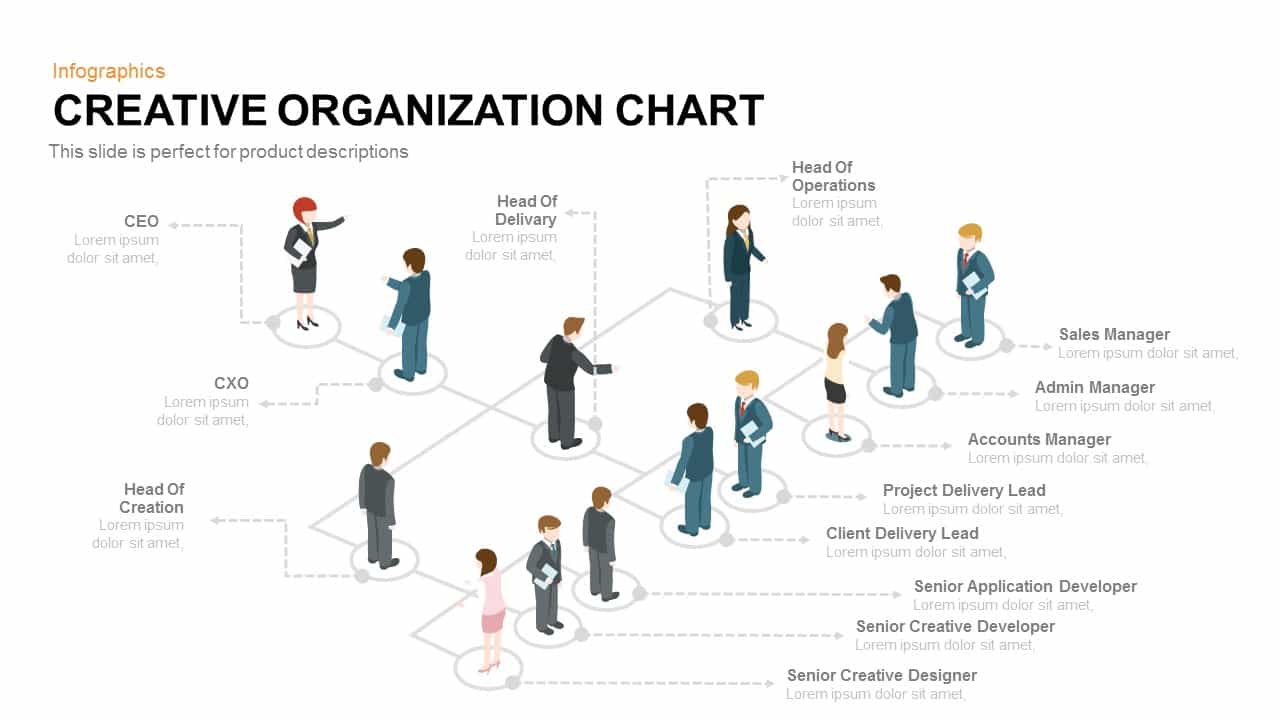
You must be willing to make decisions with full knowledge of the consequences, and put measures in place to limit downsides. Leadership coaching teams often have a good grasp of the benefits of organizational design. However, they often lack alignment and a uniform understanding of the overarching strategy. As much as big consulting firms like to push standardized organizational design structures, they don’t work in the real world. Every business is different, and what works for one could be inappropriate for even its closest competitors. Ultimately, every decision you make should be considered in relation to the purpose of your business.
Such complexity implies an increased number of performance requirements for companies (for instance, to satisfy customer needs, address competitive pressures, or comply with the ever-increasing labyrinth of regulation). If you then assign to each requirement its own structural solution (which is the essence of the “hard approach,” described in the sidebar) you end up with an extremely complicated and unwieldy organization. Traditional organizations have based their structure on organizational silos that produce repeatable results in predictable markets. They are bureaucratic, multi-layered hierarchies that resist change.
In the beginning, they separated into management, clerical, and production groups. By WWI, that hierarchical model had firmly entrenched itself as the best means to deliver efficient and effective industrial output. Today’s small businesses operate much as they have for millennia. Another key difference is that Strategy& recognizes that each element is part of a complementary pair.
This leaves insufficient time to build strong relationships with each team member, or even provide basic direction. Roles must be designed based on necessary work and outcomes — NOT on people’s preferences or skills. There is no value to a role that maximizes existing skills if those skills don’t help forward the business agenda. Nonetheless, plenty of consultants will happily offer you a prescriptive ‘plan’ based on your business size, type, or industry.


No comments:
Post a Comment